

The Illusion of Control in Gambling
The allure of the casino often stems from a perceived sense of control, a belief that skill or strategy can overcome the inherent randomness of games. Philosophically, this is a fascinating human tendency – the desire to impose order on chaos. Games of chance, by their very nature, challenge this illusion. While some games incorporate elements of skill, the underlying probabilities remain, often subtly stacked in favor of the establishment. This creates a psychological environment where players might feel empowered, yet are fundamentally subject to statistical outcomes, and understanding the available Inbet banking options can be part of this analysis.
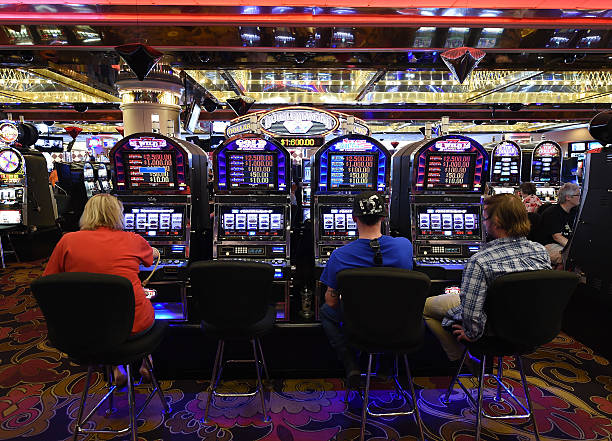
This philosophical tension between human agency and probabilistic reality is a core element of the casino experience. The anticipation of a win, the thrill of a near miss, and the subsequent emotional roller coaster are all amplified by the player’s internal narrative of potential control. Understanding this psychological dynamic is key to analyzing the broader appeal and philosophical underpinnings of casino gambling.
Ethical Considerations of Gambling Access
The ethical landscape surrounding gambling is complex, particularly concerning accessibility and regulation. In many jurisdictions, stringent laws are in place to protect consumers and maintain order within the gambling industry. These regulations often address issues such as age restrictions, responsible gambling measures, and the licensing of operators. The philosophical question here revolves around the balance between individual freedom to engage in such activities and the state’s responsibility to prevent harm.
The Dutch legislation, for instance, highlights a proactive approach to governing the gambling market. By restricting access for operators without proper authorization, the authorities aim to create a safer and more transparent environment. This stance reflects a philosophical commitment to safeguarding public welfare and preventing the negative societal impacts that can arise from unregulated or improperly managed gambling operations.
The Role of Regulation in Gambling Markets
Regulatory frameworks play a crucial role in shaping the gambling industry, influencing both operators and consumers. The establishment of regulatory bodies, such as the Kansspelautoriteit (Ksa) in the Netherlands, signifies a governmental acknowledgment of the significant economic and social implications of gambling. These bodies are tasked with enforcing laws designed to ensure fair play, prevent fraud, and mitigate problem gambling.
From a philosophical perspective, regulation represents society’s attempt to harness the economic benefits of gambling while minimizing its potential downsides. It’s a pragmatic approach that seeks to balance commercial interests with public good. The effectiveness of such regulations is continuously debated, with ongoing discussions about whether they strike the right balance between liberty and protection.
Navigating Legal Restrictions and Access
For many online platforms, navigating the complex web of international and national gambling legislation is a primary concern. The Dutch legal landscape, in particular, presents specific challenges for operators seeking to offer their services to residents. The prohibition of unlicensed gambling is a clear directive, aimed at maintaining a controlled and regulated market. Consequently, websites that do not comply with these mandates face restricted access within the Netherlands.
This situation underscores the importance for both operators and users to be aware of and adhere to local laws. The restriction of access is not arbitrary; it’s a direct consequence of legislative requirements designed to protect consumers and ensure the integrity of the gambling market. Understanding these legal boundaries is fundamental for any entity operating within or engaging with the online gambling sphere.

Compliance with Dutch Gambling Laws
The commitment to adhering to Dutch gambling legislation is paramount for any online casino wishing to operate responsibly and legally within or targeting the Netherlands. This involves obtaining the necessary licenses and demonstrating a dedication to consumer protection and fair gaming practices. Websites that proactively engage with these regulations, such as by restricting access to users within the Netherlands if they lack the appropriate authorization, show a clear understanding of their legal obligations.
This approach ensures that players have access only to licensed and regulated platforms, thereby benefiting from a secure gaming environment. It also supports the broader objective of the Kansspelautoriteit (Ksa) to create a well-regulated and trustworthy gambling market. For players, this means that when access is restricted, it is a signal that the platform is prioritizing legal compliance over potentially engaging with users in a manner that contravenes national law.
